

Introduction to Nootropic Peptides
Selank and Semax are synthetic peptides with nootropic and neuroprotective properties that have attracted significant research interest. According to neuropeptide research, these compounds modulate key pathways critical to neuroplasticity, including brain-derived neurotrophic factor (BDNF) and HGF/c-Met pathways .
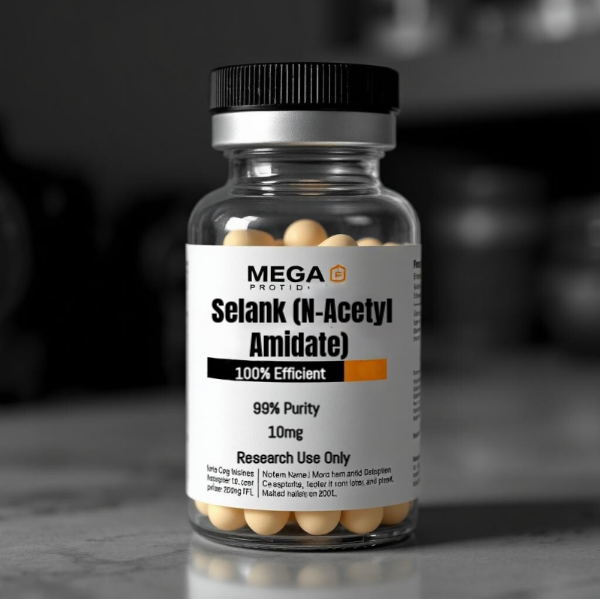
Selank is a synthetic peptide with anxiolytic properties. It is a structural analog of the immunomodulatory peptide tuftsin and has been studied for its effects on anxiety, stress, and cognitive function.
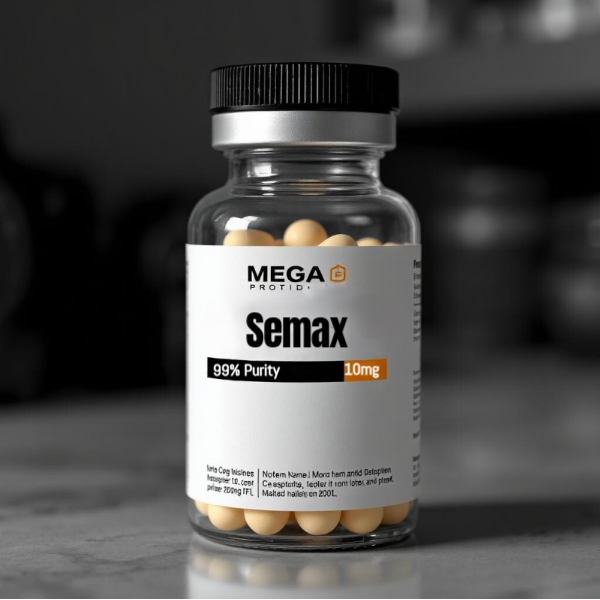
Semax is a synthetic peptide derived from adrenocorticotropic hormone (ACTH). It has been extensively studied for its neuroprotective and cognitive-enhancing properties .
How Do Selank and Semax Work?
| Compound | Target | Action | Research Application |
|---|---|---|---|
| Selank | GABAergic System | Modulates GABA neurotransmission | Anxiety and stress research |
| Selank | BDNF Expression | Increases BDNF levels | Neuroplasticity studies |
| Semax | ACTH Receptors | Modulates neuropeptide signaling | Cognitive function research |
| Semax | BDNF Expression | Upregulates BDNF | Neuroprotection studies |
Research Applications
Selank Research Applications:
Semax Research Applications:
Frequently Asked Questions
Q: What is the difference between Selank and Semax?
A: Selank primarily affects the GABAergic system and has anxiolytic properties. Semax modulates neuropeptide signaling and has neuroprotective and cognitive-enhancing properties .
Q: Are Selank and Semax safe for research?
A: Both have been studied in preclinical and clinical research contexts, but are intended for research use only.

Always available!

Comes with each order!

Get access to expert resources.