

Introduction to Growth Hormone Peptides
Growth hormone (GH) research has advanced significantly with the development of peptide-based GH secretagogues. These compounds stimulate endogenous GH release through distinct pathways, offering researchers tools to study the growth hormone axis, endocrine function, and metabolic regulation. The use of GH secretagogues like GHRPs and GHRH analogs is being explored as a potentially safer alternative to exogenous GH administration, which is strictly regulated by the FDA .
Four key peptides dominate this research space: Sermorelin, Ipamorelin, CJC-1295, and Tesamorelin. Each offers unique mechanisms and research applications, making them valuable tools for endocrinology and metabolism studies.
Sermorelin: The GHRH Analog
Overview
Sermorelin is a synthetic 29-amino-acid peptide analog of growth hormone-releasing hormone (GHRH). As a GHRH receptor agonist, it stimulates the pituitary gland’s natural production and release of growth hormone.
Mechanism of Action
| Target | Action | Research Application |
|---|---|---|
| GHRH Receptor | Binds and activates GHRH receptor on pituitary somatotroph cells | Stimulates endogenous GH synthesis and secretion |
| Pituitary Gland | Triggers signaling cascade for GH release | Endocrine system research |
| Growth Hormone Axis | Increases pulsatile GH release | Metabolic function and aging studies |
Research Applications
Ipamorelin: The Selective GHRP
Overview
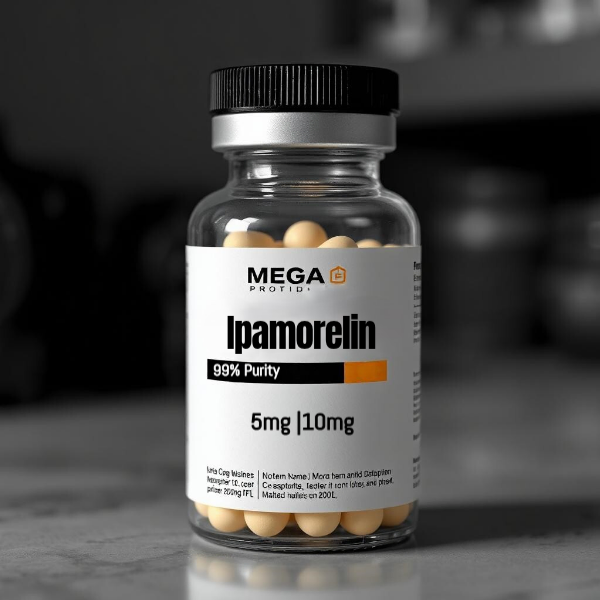
Ipamorelin is a synthetic pentapeptide that acts as a ghrelin mimetic. It selectively stimulates the release of GH from the pituitary gland by binding to the ghrelin receptor (GHS-R1a) in the brain . Unlike other GH-releasing peptides, ipamorelin’s action is highly selective, minimizing effects on ACTH and cortisol levels .
Mechanism of Action
| Target | Action | Research Application |
|---|---|---|
| Ghrelin Receptor (GHS-R1a) | Binds and activates GHS-R1a | Stimulates GH release through ghrelin pathway |
| Pituitary Gland | Triggers GH secretion cascade | Endocrine and metabolic research |
| Metabolic Pathways | Influences protein synthesis and lipolysis | Muscle growth and body composition studies |
Research Applications
CJC-1295: The Long-Acting GHRH Analog
Overview
CJC-1295 is a modified GHRH analog with an extended half-life. This modification allows for prolonged activity and less frequent dosing in research protocols.
Mechanism of Action
| Target | Action | Research Application |
|---|---|---|
| GHRH Receptor | Binds and activates GHRH receptor | Sustained GH release stimulation |
| Extended Half-Life | Achieved through structural modification | Less frequent dosing in research models |
| Pituitary Gland | Triggers prolonged GH synthesis | Chronic GH elevation studies |
Research Applications
Comparison Table: Growth Hormone Peptides
Research Considerations
Synergistic Research Applications
Researchers often study combinations of these peptides to investigate synergistic effects on GH secretion:
Safety Considerations
Frequently Asked Questions
Q: How does Sermorelin differ from Ipamorelin?
A: Sermorelin is a GHRH analog that directly stimulates the pituitary to release GH. Ipamorelin is a GHRP that acts on the ghrelin receptor . Their combined use allows study of synergistic GH secretion effects .
Q: What makes CJC-1295 unique?
A: Its extended half-life allows for sustained GH release over a longer period compared to other GHRH analogs.
Q: Are these peptides suitable for human research?
A: These peptides are for research use only and should not be used for human therapeutic applications. Safety and efficacy in humans have not been fully established for most of these applications outside of approved indications like tesamorelin .
Q: Where can I buy Sermorelin, Ipamorelin, or CJC-1295 for research?
A: MegaProtide offers high-purity growth hormone peptides for research purposes, all third-party lab-tested with Certificates of Analysis available upon request.


Always available!

Comes with each order!

Get access to expert resources.