

Glucagon-like peptide-1 receptor agonists (GLP-1 RAs) have emerged as one of the most significant classes of compounds in metabolic research. These peptides mimic the action of the endogenous incretin hormone GLP-1, which plays a central role in glucose metabolism, appetite regulation, and energy homeostasis. Beyond glycemic control, evidence from major cardiovascular outcome trials (CVOTs) has established GLP-1 RAs as multifaceted agents that significantly reduce major adverse cardiovascular events in individuals with type 2 diabetes at elevated cardiovascular risk .
This guide examines four key GLP-1 compounds: Semaglutide, Tirzepatide, Retatrutide, and Liraglutide—each offering distinct mechanisms and research applications.
How GLP-1 Receptor Agonists Work
GLP-1 RAs function by activating GLP-1 receptors, which are expressed in multiple tissues including the pancreas, gastrointestinal tract, cardiovascular system, central nervous system, and kidneys.
Semaglutide
Overview
Semaglutide is a 31-amino-acid peptide with a fatty acid side chain attachment that allows for extended half-life and once-weekly administration. It is a selective GLP-1 receptor agonist available in both injectable and oral formulations.
Clinical Data
The STEP (Semaglutide Treatment Effect in People with Obesity) clinical trial program demonstrated significant weight loss outcomes, with average weight reductions ranging between 10% and 17% in non-diabetic participants .
Research Applications
Overview
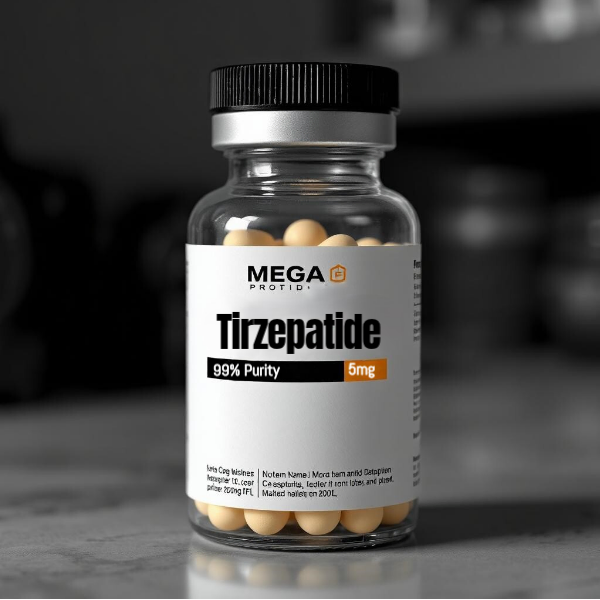
Tirzepatide is a first-in-class dual GIP/GLP-1 receptor agonist. Its unique mechanism simultaneously activates both GIP and GLP-1 receptors, delivering superior glycemic control and significant weight reduction compared to selective GLP-1 agonists alone .
Clinical Data
The SURMOUNT and SURPASS trials demonstrated impressive outcomes:
Research Applications
Overview
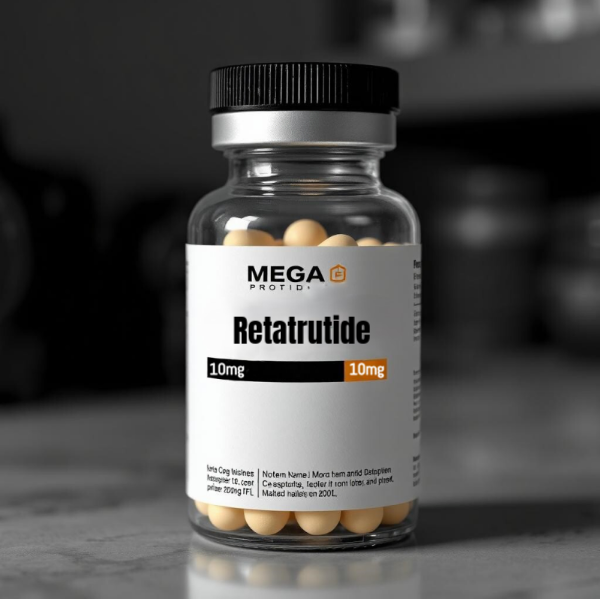
Retatrutide is an investigational triple agonist targeting GIP, GLP-1, and glucagon receptors. This unique mechanism represents the next frontier in metabolic research, offering potential for unprecedented weight reduction.
Research Applications
Overview
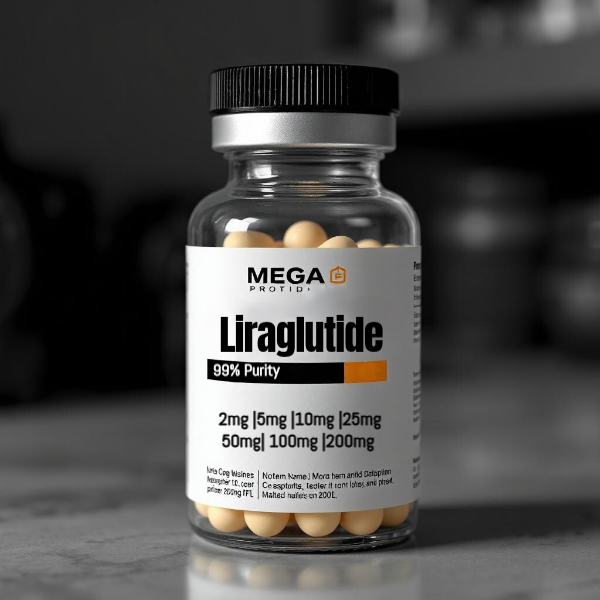
Liraglutide is a once-daily GLP-1 receptor agonist with over a decade of clinical use. Available as Victoza® (1.2 mg, 1.8 mg) for type 2 diabetes and Saxenda® (3.0 mg) for weight management, it has an established safety and efficacy profile.
Clinical Data
Research Applications
Comparison Table: GLP-1 Receptor Agonists
Health Benefits Beyond Weight Loss
GLP-1 receptors are expressed in tissues beyond the pancreas, leading to multiple physiological responses:
Frequently Asked Questions
Q: What is the difference between Semaglutide and Tirzepatide?
A: Semaglutide is a selective GLP-1 receptor agonist. Tirzepatide is a dual GIP/GLP-1 receptor agonist, offering superior weight loss and glycemic control in clinical trials.
Q: What makes Retatrutide unique?
A: Retatrutide is the first triple agonist targeting GIP, GLP-1, and glucagon receptors. Glucagon activation increases energy expenditure, providing a unique mechanism for weight reduction.
Q: Are GLP-1 agonists suitable for research use only?
A: Yes. Research-grade GLP-1 agonists are intended for in-vitro and non-human research. They are not approved for human consumption.
Q: Where can I purchase research-grade GLP-1 peptides?
A: MegaProtide offers high-purity Semaglutide, Tirzepatide, Retatrutide, and Liraglutide for research purposes. All products are third-party lab-tested with COAs available upon request.

Always available!

Comes with each order!

Get access to expert resources.